
A removal order is a formal legal decision issued by an immigration judge directing a non-citizen to leave the United States. While it carries serious consequences, a removal order is not always the final word on your case – multiple avenues exist to challenge or delay it.
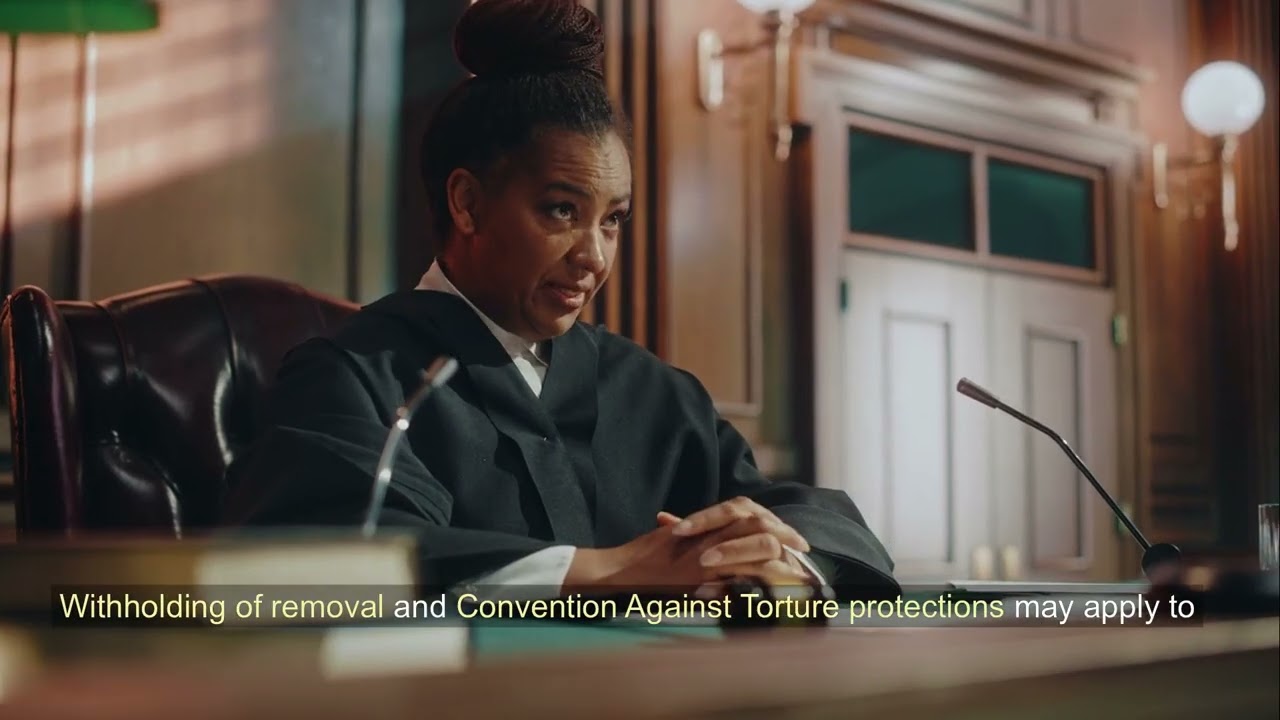
This guide focuses specifically on what happens immediately after a removal order is issued, what rights you still have, and how those rights can be exercised in New Jersey and surrounding areas.
Receiving a removal order in immigration court is one of the most frightening moments a person can face. But here’s the thing – it does not automatically mean you will be deported tomorrow, or even next month. The legal process has built-in mechanisms for appeal, and understanding them quickly is what matters most right now.
According to the Executive Office for Immigration Review (EOIR), tens of thousands of removal cases are appealed each year, and a meaningful percentage result in outcomes that change or halt deportation. The window to act is narrow, but it is real.
What a Removal Order Actually Means on Day One
The moment a judge issues a removal order, your case enters a critical phase. You have 30 days to file a BIA appeal until March 8, 2026; after March 9, 2026, it is 10 days for most cases (except certain asylum cases). Missing that deadline almost always ends your ability to appeal through normal channels.
During those initial days, you are generally not required to leave the country immediately. An automatic stay of removal is NOT granted just because you plan to appeal – you may need to request one separately, especially if ICE schedules a departure date. This is where having an attorney involved quickly becomes critical.
Thinking about this for your situation? Let’s talk. Contact us and we’ll walk you through your options – no pressure, no obligation.
Voluntary Departure vs. Removal Order: Understanding the Difference
| Factor | Voluntary Departure | Formal Removal Order |
|---|---|---|
| Future reentry bar | Shorter (or none) | 3, 10, or permanent bar |
| Criminal penalties for return | Lower risk | Felony charge possible |
| Impact on future applications | Less severe | Significant negative weight |
| Appeal rights | Limited in some situations | Full BIA appeal available |
| Best for | Those with no viable defense | Those with grounds to challenge |
Where voluntary departure succeeds: It allows you to leave on your own terms, preserves some future options, and avoids the criminal consequences of being physically removed.
Where voluntary departure fails: It waives certain appeal rights and still results in leaving the U.S., often within 60-120 days.
Where a formal removal order appeal succeeds: It preserves your right to remain while the BIA reviews the judge’s decision, and can lead to full case reversal.
Where a formal removal order appeal fails: If no strong legal basis exists, the BIA will uphold the order and your situation becomes harder to resolve.
The verdict: If you have credible legal grounds – errors in the hearing, new evidence, or eligibility for relief you did not fully present – appealing the removal order is almost always worth pursuing before accepting departure.
Your Appeal Options After a Removal Order
The BIA is the first stop for most appeals. If the BIA upholds the order, you can then petition the Federal Circuit Court of Appeals – in New Jersey, that would be the Third Circuit Court of Appeals. Each step has strict deadlines and procedural rules.
Beyond direct appeal, other legal tools may apply depending on your circumstances:
- Motion to Reopen – filed when new evidence or changed country conditions emerge
- Motion to Reconsider – filed when the judge made a legal error in the original decision
- Withholding of Removal – protection for those who would face persecution if returned
- Convention Against Torture (CAT) claim – available even after some criminal convictions
- Adjustment of Status – if a qualifying family or employment petition is pending
Motions to Reopen are a widely used post-order remedy, filed across U.S. immigration courts by individuals seeking to present new evidence or changed circumstances in their cases.
Common Mistakes That Close Off Your Options
The most common mistake people make after a removal order is waiting. Every day that passes without legal action can shrink your options significantly.
Other critical errors include:
- Missing the BIA appeal deadline: Once it passes, reinstating appeal rights requires exceptional circumstances and is very difficult.
- Failing to request a stay of removal: Without a stay, ICE can enforce removal even while an appeal is pending.
- Leaving the U.S. voluntarily after a removal order: Doing so may trigger a multi-year or permanent reentry bar without realizing it.
- Not disclosing all relevant facts to an attorney: Incomplete information leads to missed defenses, especially in asylum or withholding cases.
- Assuming a criminal record ends all options: Some protections, like CAT claims, remain available regardless of criminal history.
Your Post-Removal Order Action Plan
- Step 1 – Document the date: Note the exact date the order was issued – your appeal clock starts immediately.
- Step 2 – Consult an immigration attorney within 48-72 hours: Timeline is everything here. Bring all court documents.
- Step 3 – Request a stay of removal if needed: Your attorney can file an emergency motion with the BIA or federal court.
- Step 4 – Gather supporting evidence: New country condition reports, witness statements, or documents not presented at the original hearing can support a Motion to Reopen.
- Step 5 – File the Notice of Appeal or appropriate motion: Your attorney submits the formal legal document within the required deadline.
- Step 6 – Maintain lawful presence documentation: Track any pending status carefully and comply with all check-in requirements to avoid additional complications.
See how Tourzani & Long, LLC approaches post-removal cases – or get in touch directly to discuss your specific situation with our team in North Bergen, NJ.
Key Takeaways for New Jersey Residents in 2025
- Your appeal deadline is strict – the BIA appeal deadline after a removal order is rarely extended
- A removal order is not deportation – enforcement and legal finality are two different things
- Multiple remedies exist – appeals, motions, withholding claims, and CAT protections may all apply
- New Jersey falls under the Third Circuit – federal appeals go there if the BIA denies relief
- Criminal history does not always eliminate options – some protections survive prior convictions
Frequently Asked Questions
How long do I have to appeal a removal order?
You have 30 days from the date the immigration judge issues the removal order to file a Notice of Appeal with the Board of Immigration Appeals until March 8, 2026; starting March 9, 2026, the deadline is 10 days for most cases (except certain asylum cases). This deadline is strict and missing it typically eliminates your right to appeal through normal channels. Contact an attorney as soon as possible after the order is issued.
Does filing an appeal stop my deportation?
Filing a BIA appeal does not automatically stop deportation – you must separately request a stay of removal. Without an approved stay, ICE can enforce the removal order even while your appeal is pending. An attorney can file an emergency stay motion quickly if needed.
What is a Motion to Reopen and when can I use it?
A Motion to Reopen asks the immigration court to reconsider your case based on new evidence or changed circumstances that were not available at the original hearing. It can be filed even after a BIA decision in some situations. Common grounds include new asylum claims, changed country conditions, or ineffective assistance of prior counsel.
Can I still apply for protection if I have a criminal record?
Some forms of protection, including claims under the Convention Against Torture, remain available to individuals with criminal convictions. Eligibility depends on the nature of the conviction and the specific protection being sought. An attorney needs to review your full record to identify which remedies remain open.
What happens if I leave the U.S. after a removal order?
Leaving after a formal removal order can trigger a 10-year or permanent bar from returning to the United States. The length of the bar depends on how long you were in the U.S. unlawfully and other factors. Never depart voluntarily after a removal order without speaking to an attorney first.
How long does a BIA appeal take?
BIA appeals generally take 12 to 24 months to resolve, though timelines vary based on caseload and case complexity. During that period, a stay of removal allows you to remain in the U.S. while the review proceeds. Federal court appeals can add additional time if the BIA denies relief.
Do I need an attorney for a post-removal appeal?
You are not legally required to have an attorney, but the complexity and stakes of post-removal proceedings make professional guidance strongly advisable. Procedural errors at the BIA or federal court level can permanently close off your options. Legal representation significantly improves the quality and completeness of submissions.
What This Means for You Right Now
A removal order feels final – but the law gives you tools to challenge it. The difference between those who successfully fight removal and those who don’t often comes down to how quickly they acted and who helped them navigate the process.
At Tourzani & Long, LLC, we work with clients throughout Hudson County, Bergen County, Essex County, and surrounding New Jersey communities – including Union City, Jersey City, Newark, Hackensack, and Bayonne. Our team understands what is at stake and what it takes to build a strong post-removal strategy.
Ready to understand your options? Contact us today for a direct conversation about your case. Time matters here – and we’re ready to help you use every day of it effectively.
This content is for informational purposes only and does not constitute legal advice. Immigration law is fact-specific – consult a licensed attorney about your individual situation.